Navigating life with ADHD can feel like riding a rollercoaster. The highs of creativity and energy are often accompanied by lows that can be challenging to manage. For many in the UK, Ritalin has become a common ally in this journey. As one of the most well-known medications for attention deficit hyperactivity disorder (ADHD), it offers hope and structure for those who need it. But what exactly does using Ritalin entail? How does ADHD evolve over time, especially as we age? And is it possible to serve in the army while managing symptoms? Let’s dive into these important questions surrounding ADHD medication in the UK and explore how Ritalin fits into this complex picture.
Products by Category
-
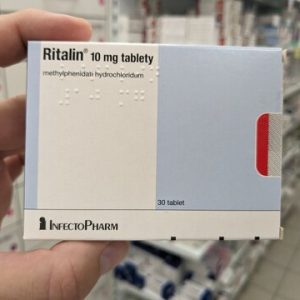
Ritalin 10mg Tablets
Price range: £90.00 through £350.00 -
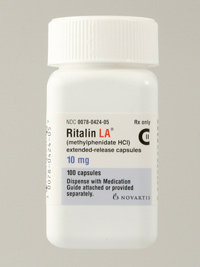
Ritalin XL (methylphenidate) 10mg Modified Release Hard Capsules
Price range: £120.00 through £500.00 -
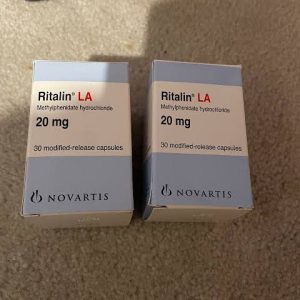
Ritalin XL (methylphenidate) 20mg Modified Release Hard Capsules
Price range: £200.00 through £1,500.00 -
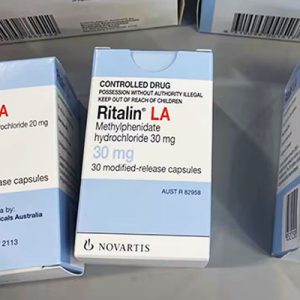
Ritalin XL (methylphenidate) 30mg Modified Release Hard Capsules
Price range: £200.00 through £1,500.00 -
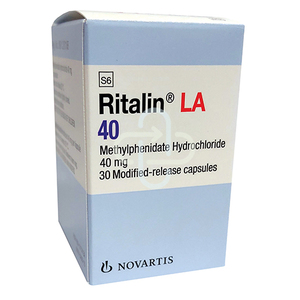
Ritalin XL (methylphenidate) 40mg Modified Release Hard Capsules
Price range: £200.00 through £1,500.00
adhd drug ritalin
Ritalin, or methylphenidate, is a cornerstone in ADHD treatment for many individuals across the UK. It works by increasing dopamine levels in the brain, which can enhance focus and reduce impulsivity. This medication typically comes in short-acting and long-acting formulations. Short-acting versions may require multiple doses throughout the day, while long-acting options provide more sustained relief with fewer interruptions. Patients often report varying experiences with Ritalin. While some find significant improvement in their daily functioning, others might encounter side effects like insomnia or decreased appetite. It’s crucial to have open conversations with healthcare providers when considering this drug. Personalized adjustments can make all the difference—what works wonders for one person may not suit another’s needs as effectively. Understanding how Ritalin interacts with individual symptoms is key to successful management of ADHD.
does adhd get worse with age
ADHD can manifest differently as individuals age. For some, symptoms may seem to diminish over time. Others might experience an increase in challenges. As responsibilities grow with adulthood, managing ADHD can become more complex. Work pressures and family obligations can highlight difficulties in focus and organization. Additionally, coexisting conditions like anxiety or depression may emerge or worsen with age. This can complicate the overall picture of ADHD. On the other hand, many adults develop coping strategies that help mitigate their symptoms effectively. Support systems play a crucial role here—therapy, medication, and lifestyle changes often contribute positively. Each person’s journey is unique; understanding these dynamics is essential for effective management of ADHD throughout life stages.
can you join the army with adhd uk
Joining the army with ADHD in the UK is a nuanced subject. The military considers various factors when assessing candidates, including medical history and individual capabilities. ADHD itself is not an automatic disqualification. However, potential recruits need to demonstrate that they can manage their symptoms effectively. This might mean showing evidence of successful treatment or coping strategies.
The application process includes thorough medical evaluations. These assessments aim to determine if ADHD significantly impairs functioning in high-stress situations typical of military life. Each case is reviewed on an individual basis. Recruits who have developed strong coping mechanisms may find themselves being considered for enlistment. It’s crucial for anyone interested to communicate openly during the recruitment process. Transparency about one’s condition ensures that all aspects are taken into account before any decisions are made regarding eligibility.
adhd medication uk
ADHD medication in the UK is an important topic for many individuals and families. The most common medications prescribed include stimulants like Ritalin and non-stimulant options such as atomoxetine. Stimulants work by increasing certain chemicals in the brain, helping to improve focus and reduce impulsivity. Many people see significant improvements with these drugs.
However, not everyone responds positively to medication. Some may experience side effects or find that their symptoms persist despite treatment. This can lead patients to explore various therapeutic approaches alongside medication. Accessing ADHD medication typically involves a thorough assessment by healthcare professionals. They evaluate each patient’s needs before recommending a specific treatment plan tailored to individual circumstances.
For those navigating this journey, support groups and online forums can offer valuable insights from others experiencing similar challenges. Sharing strategies can make managing ADHD more manageable while fostering a sense of community among those affected.
uk adhd medication
When it comes to managing ADHD, the landscape of medication in the UK offers various options. Ritalin is a well-known choice that many individuals with ADHD consider. However, it’s essential to understand that it’s not the only option available. Doctors typically evaluate each patient’s specific needs before prescribing medication. Other alternatives like atomoxetine and dexamfetamine may be considered as well, depending on individual circumstances. It’s crucial for patients to have an open dialogue with their healthcare providers about what works best for them.
The availability of medications also varies by region and can depend on local NHS guidelines. Patients might encounter different protocols or suggestions based on where they live in the UK. This variability highlights the importance of consulting with professionals who are familiar with local practices regarding ADHD treatments. If you’re considering ADHD medication options in the UK, do your research and reach out to a healthcare provider who can guide you through this journey tailored specifically for your needs.
Understanding How Ritalin Functions
Ritalin serves as a stimulant for the central nervous system.It increases the levels of neurotransmitters such as dopamine and norepinephrine in the brain, which are crucial for attention, concentration, and impulse regulation.
When these neurotransmitter levels rise, individuals with ADHD or ADD typically experience improved focus and reduced restlessness or impulsivity.For those with narcolepsy, Ritalin’s stimulating effects help enhance wakefulness and minimize unexpected sleep episodes.
Ritalin is generally administered orally in the form of tablets or capsules. Adhering strictly to your prescribed dosage is vital, as misuse of Ritalin can result in severe complications, including addiction, elevated heart rates, or hypertension.
Certain medical conditions, including glaucoma or severe anxiety, may render Ritalin unsafe, making it essential to consult your physician beforehand. Regular check-ups with your healthcare provider are recommended during treatment.
Ritalin and Its Alternatives
The active component in Ritalin is methylphenidate, which is also found in other medications like Concerta, Medikinet, Equasym, and Delmosart.
While these drugs function similarly, they differ in their release timings and duration of effects.
| Brand Name | Form | Duration | Approved Ages |
|---|---|---|---|
| Ritalin | Tablet | Short/Long | 6 years and up |
| Concerta | Extended-Release | Long | 6 years and up |
| Medikinet | Short/Long | Varies | 6 years and up |
| Equasym | Extended-Release | Long | 6 years and up |
| Delmosart | Extended-Release | Long | 6 years and up |
Immediate-release Ritalin acts quickly but provides effects for only a few hours, often necessitating multiple daily doses. In contrast, extended-release options like Ritalin LA, Concerta, or Equasym XL offer longer-lasting effects and are typically taken once daily, which can be advantageous for many users.
The choice of brand or formulation generally depends on individual health requirements, age, and how long coverage is needed each day.
Approved Uses of Ritalin
Ritalin is primarily sanctioned for:
- ADHD: Suitable for children aged 6 and older, as well as adolescents and adults.
- ADD: Often regarded as a variant of ADHD that lacks hyperactivity.
- Narcolepsy: Applicable for both children and adults facing sudden sleep attacks.
In the case of ADHD and ADD, Ritalin is typically part of a comprehensive treatment plan that may include behavioral therapy or counseling. It is generally not advised for children under 6 years old.
For narcolepsy, Ritalin aids individuals in staying awake and alert throughout the day. Due to its specific nature, a thorough medical history and professional guidance are vital before starting treatment.
Ritalin Formulations and Dosage
Ritalin is available in various formulations, including immediate and extended-release tablets. Each formulation offers different strengths and dosage options, tailored to fit individual routines and needs.
Types of Tablets:
- Immediate-release tablets – Often coupled with chewable options.
- Common strengths include 5 mg, 10 mg, and 20 mg for standard tablets, while chewable tablets are available in 2.5 mg, 5 mg, and 10 mg.
- Orally disintegrating tablets (8.6 mg, 13.7 mg, and 25.9 mg) dissolve quickly for those who have trouble swallowing. Tablets are scored for easier splitting when dose adjustments are necessary.
Take Ritalin with water and maintain a consistent schedule for optimal results.
Standard vs. Slow Release:
Ritalin comes in two primary forms: immediate-release and slow-release (like Ritalin LA or SR).
Immediate-release tablets typically last 3-4 hours, requiring two or three doses daily. Conversely, slow-release formulations extend the medication’s effects throughout the day. Ritalin LA is specifically designed for once-daily morning dosing, covering school or work hours and simplifying the regimen for users.
Not everyone will respond the same way, so doctors often experiment with both types to determine the best option.
Suggested Dosing Guidelines
For adults with ADHD, a common starting dose is about 20–30 mg per day, divided into two or three doses taken 30–45 minutes before meals.
The maximum allowable daily dose should not exceed 60 mg.
A gradual approach, typically increasing the dosage week by week, is common practice.
Always take tablets whole; avoid crushing or chewing slow-release forms to ensure efficacy.
Only a qualified healthcare provider should modify your dosage based on efficacy and any side effects.
Consistent timing for Ritalin intake can help maintain stable medication levels and mitigate issues such as sleep disturbances.
| Formulation | Strengths | Dosing Frequency |
|---|---|---|
| Standard Tablets | 5, 10, 20 mg | 2–3 times daily |
| Chewable Tablets | 2.5, 5, 10 mg | 2–3 times daily |
| Slow Release (LA/SR) | 10, 20, 30, 40 mg | Once daily (morning) |
Effectiveness and Side Effects
Ritalin (methylphenidate) is commonly prescribed for managing ADHD symptoms in both children and adults.
It is often effective in enhancing focus and reducing impulsive behaviors, but some users may experience side effects such as headaches or insomnia.
Anticipated Benefits
Ritalin is known to assist individuals with ADHD in maintaining focus and lessening hyperactive or impulsive tendencies.
Both clinical studies and anecdotal evidence suggest that many users observe tangible improvements at school, work, or in daily tasks.
This medication functions by affecting the brain’s neurotransmitters that regulate focus and motor activity.
Effects typically start within 30 to 60 minutes, lasting for approximately 3–4 hours with immediate-release forms and up to 12 hours with extended-release variants.
Doctors can adapt dosages and formulations based on individual responses.
Regular follow-ups can help track progress and identify potential adverse effects early on.
Common Side Effects
While using Ritalin, side effects may include:
- Headaches
- Insomnia
- Anxiety or nervousness
- Stomach discomfort
- Appetite reduction
- Feelings of irritability or restlessness
Most side effects emerge shortly after the initiation of treatment or a dose change, are generally mild, and often diminish as the body adjusts. If side effects persist or worsen, it’s advisable to consult your healthcare provider. Serious symptoms such as chest pain, seizures, or sudden mood alterations require urgent medical attention. To help minimize gastrointestinal upset or loss of appetite, some healthcare providers recommend taking Ritalin after meals.
Addressing Headaches and Sleep Issues
Headaches are a noted side effect of Ritalin.
Adequate hydration, regular meals, and intermittent breaks can alleviate discomfort.
Should headaches persist or intensify, your physician may need to adjust your dosage.
Sleep disturbances, such as difficulty falling or staying asleep, can also occur.
Strategies may include taking the final dose earlier in the day, sticking to a consistent sleep schedule, or limiting afternoon and evening caffeine intake.
If sleep difficulties continue, your doctor may suggest dosage adjustments or provide additional tips for improving sleep quality.
Always consult your healthcare provider prior to changing your medication routine.
How to Legally Purchase Ritalin in the UK
Ritalin is only available in the UK through a prescription from a licensed healthcare professional.
As a controlled substance, it is primarily prescribed for ADHD and narcolepsy.
If you believe Ritalin may be necessary for you, initiating a conversation with your GP is advisable.
Typically, a referral to a specialist is required, as GPs usually do not prescribe Ritalin independently.
After an assessment, if deemed appropriate, the specialist may issue a prescription.
You can fill this prescription at most community pharmacies, but you’ll typically need to present it along with some form of identification.
Steps to Acquire Ritalin Legally:
- Consult your GP for a referral.
- Undergo an evaluation by a medical specialist.
- Obtain your prescription.
- Fill your prescription at a registered pharmacy.
| Method | Legal in UK | Requires Prescription | Additional Notes |
|---|---|---|---|
| NHS / Private Pharmacy | ✅ | ✅ | Safest and most secure method |
| Online UK Pharmacies | ✅ | ✅ | Must be registered in the UK |
| Overseas or Unlicensed Vendors | ❌ | ❌ | Illegal and potentially harmful |
It’s imperative to avoid purchasing Ritalin online without a prescription, particularly from unlicensed vendors, as this is illegal in the UK and poses health risks. Sticking to medical guidance and utilizing approved pharmacies ensures safety.
Key Safety Considerations
Everyone using Ritalin should be aware of the potential for misuse and possible medication interactions.
Ritalin can be addictive, and certain health conditions may impact its safety and efficacy.
Risks of Misuse and Dependence
Ritalin contains methylphenidate, a stimulant misused by some for enhanced focus or alertness.
Abuse can result in serious health issues, including cardiovascular complications, heightened blood pressure, or even psychological problems such as anxiety or aggression.
Patients taking higher doses than prescribed or using Ritalin for prolonged periods without professional oversight may develop dependence.
Those with a history of substance misuse face heightened risks.
It’s crucial for healthcare providers to be vigilant for warning signs, such as frequent requests for early refills or sudden behavioral changes.
Misuse can elevate the risk of seizures, especially in individuals with epilepsy.
If you have such a history, it’s essential to proceed with caution.
Precautions and Drug Interactions
Specific health issues make Ritalin a poor choice — these include severe heart conditions, uncontrolled hypertension, or a significant history of anxiety or agitation.
Individuals with epilepsy require additional monitoring, as Ritalin can increase seizure activity.
Be mindful of potential drug interactions.
Ritalin may contraindicate with medications for depression, blood pressure issues, epilepsy, and alcohol.
Critical interactions include:
- Monoamine oxidase inhibitors (MAOIs): Combining these with Ritalin can dangerously elevate blood pressure.
- Anticonvulsants: Ritalin may impact their efficacy in controlling seizures.
- Other stimulants: Using them concurrently increases side effects and cardiovascular risks.
Patients should disclose all medications or supplements they are taking, even those that seem harmless, to their healthcare provider.
Regular consultations with your physician enhance safety.
Frequently Asked Questions
Ritalin is a common option for treating ADHD in both adults and children. It is often compared with other stimulant and non-stimulant medications, with varying side effects, costs, and efficacy influencing choices.
What are the typical side effects associated with Ritalin usage?
Side effects of Ritalin may include reduced appetite, sleep disturbances, and dryness in the mouth. Some users report headaches or dizziness, with mood fluctuations and gastrointestinal complaints appearing particularly at the treatment’s onset.
How do the effects of Ritalin compare with those of Adderall?
Though both Ritalin and Adderall are stimulants, Ritalin utilizes methylphenidate, while Adderall is composed of amphetamine salts. Both medications assist with attention and impulsivity in ADHD, but individual experiences may lead some users to prefer one over the other.
What is the standard adult dosage for Ritalin concerning ADHD?
Most adults begin with 5 mg one or two times a day. Doctors may gradually increase the dosage, typically aiming for a total daily range of 20–30 mg, based on individual response.
How does Concerta differ from Ritalin in terms of effectiveness and dosing?
Concerta utilizes the same active ingredient as Ritalin but in an extended-release format, lasting around 8–12 hours compared to Ritalin’s 3–4 hours of efficacy, necessitating multiple doses.
What is the average cost of Ritalin in the UK?
Ritalin is generally accessible under the NHS with a prescription, associated with typical prescription charges unless exempt. For private prescriptions, costs may vary widely but typically range from £20 to £40 monthly, influenced by dosage and pharmacy choice.
How do Ritalin and Vyvanse differ in their mechanisms of action?
Ritalin (methylphenidate) enhances dopamine and norepinephrine levels in the brain by inhibiting their reuptake, whereas Vyvanse (lisdexamfetamine) is converted into dextroamphetamine in the body, facilitating neurotransmitter release. Overall, Vyvanse tends to have a longer duration of action, while Ritalin acts more quickly but has a shorter effect.